Presented by Dr. Marina Rustow
Khedouri A. Zilkha Professor of Jewish Civilization in the Near East, Princeton University
In 1897, two hundred thousand Jewish manuscript fragments arrived in Cambridge, England from the Cairo Geniza, the worn manuscript repository of a medieval Egyptian synagogue, doubling the number of Geniza fragments in public and private collections worldwide. More than a century later, the digital revolution vastly accelerated the pace at which those texts yielded their historical secrets, and now, with and (mostly) without AI, discoveries are continuing at a furious pace.
This lecture will reveal some recent Geniza discoveries and how they are rewriting the history of Jews in the premodern Middle East and beyond. Join us to discover what these remarkable fragments are still revealing—and how they are transforming our understanding of the Jewish past.

Enjoy the recording of this talk in our Program Archive.
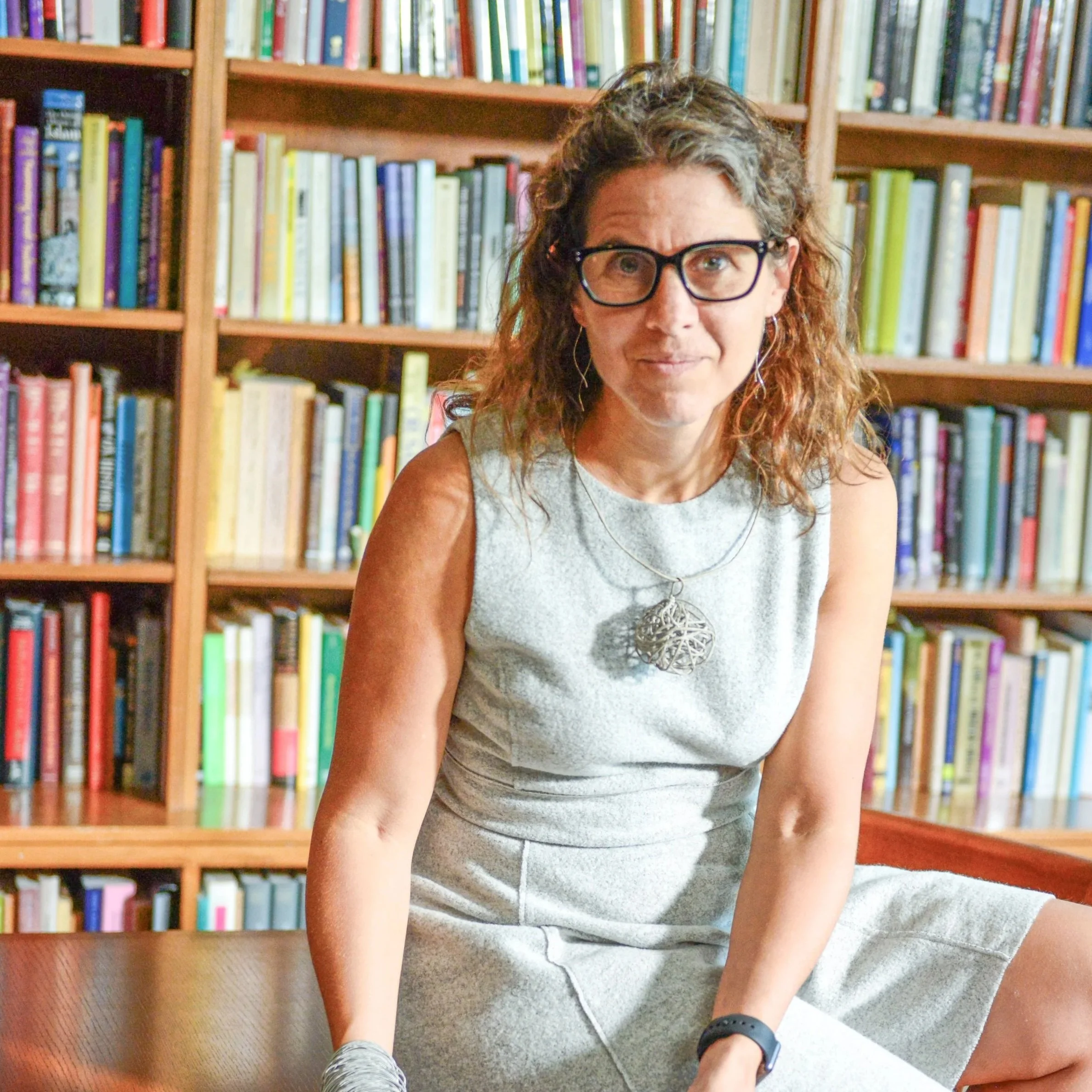
Marina Rustow is the Khedouri A. Zilkha Professor of Jewish Civilization in the Near East at Princeton, where she holds facility positions in the departments of History and Near Eastern Studies. She is the director the Princeton Geniza Lab, a long-term, collaborative research project devoted to deciphering and digitizing geniza documents.
In 2020, she published The Lost Archive: Traces of a Caliphate in a Cairo Synagogue, which won the Haskins Medal from the Medieval Academy of America, and in 2008, she published Heresy and the Politics of Community: The Jews of the Fatimid Caliphate. In 2015, she was named a MacArthur Fellow.
We extend a special thank you to Andrew R. Ammerman for sponsoring our 2026 program lineup. He dedicates the semester’s learning in loving memory of Josephine and H. Max Ammerman and Stephen C. Ammerman.